Start with the component, not a headline specification
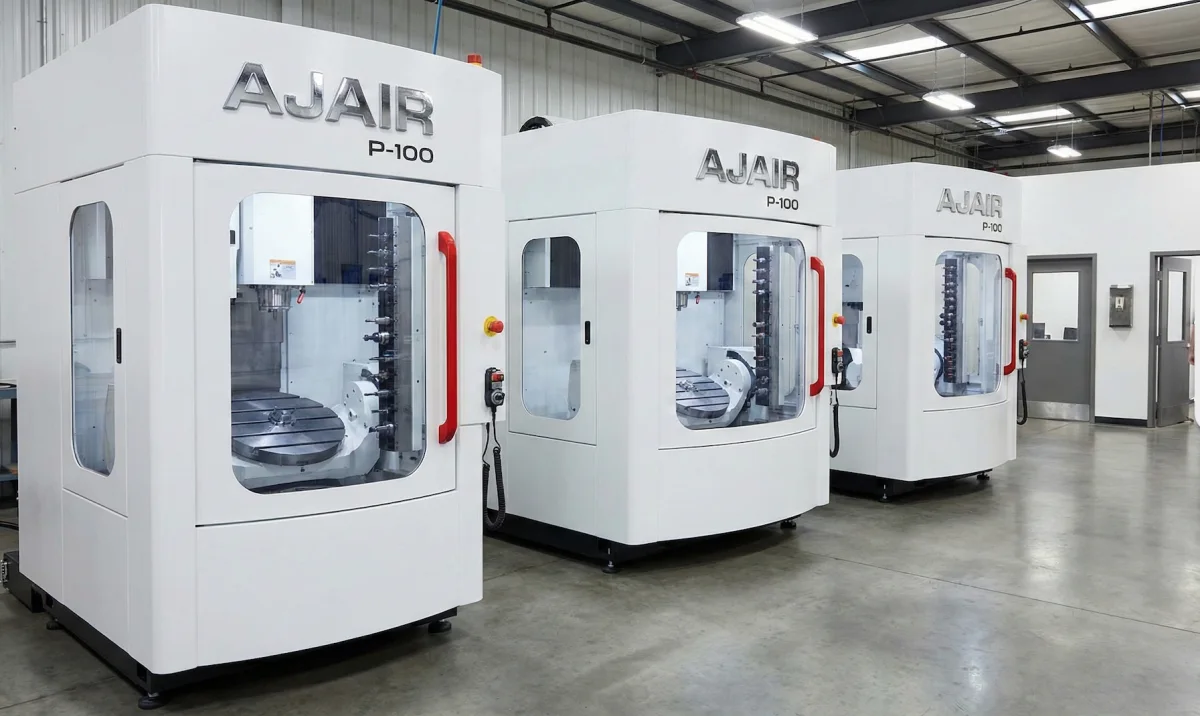
An automotive machining requirement should begin with the drawing, material, critical features and expected production volume. These determine the conversation about machine travels, workholding, tooling, spindle and inspection. The Polar 100 and Polar 300 provide a starting platform; the final technical proposal establishes the selected configuration.
- Component drawing and material grade
- Critical dimensions, tolerances and surface requirements
- Required batch size and production volume
- Current process constraints and inspection requirements
Bring control and connectivity into the same brief
The published Polar range includes Siemens and Mitsubishi controller variants. Controller preference should be considered alongside operator familiarity, existing factory interfaces and the required production data. IoT monitoring and AI integration are scoped to a practical use case rather than assumed to be identical for every machine.
Define how the cell will work
Loading, workholding, inspection and operator access influence the wider production cell. Where automation is required, define the handling interfaces and safety responsibilities before the equipment scope is finalized. Share the complete requirement with AJAIR to discuss the machine, integration and commercial next step.